Introducing PRX.LIVE

Photo by Kit McCarthy
Introducing PRX.LIVE - the UK’s exciting new platform for contemporary music, presented by music magazine PRXLUDES!
Following the launch of PRX.LIVE in February 2026, we’re so excited to catch up with PRXLUDES’ artistic director, Zygmund de Somogyi (Zyggy).
Zyggy is a composer, artist, and music journalist, and founder and artistic director of contemporary music magazine PRXLUDES. Focused on promoting and celebrating early-career composers and the UK’s dynamic contemporary music scene, PRXLUDES has published over 130 interviews with composers and organisations working at the forefront of contemporary music today. They’ve collaborated on features with organisations such as Nonclassical, National Youth Choir, Manchester Collective, London Symphony Orchestra, and many others, and have featured composers from the UK and across the world, from Mexico to New Zealand to Iran.
PRX.LIVE is PRXLUDES’ new concert, touring, and commissioning initiative, featuring live music, live interviews, and social gatherings in informal settings; in partnership with ensemble Standard Issue and producers Stomping Ground, supported by The Hinrichsen Foundation’s Multi-Year Partnership for 2025-28, alongside grants from the Vaughan Williams Foundation and Arts Council England.
You began PRXLUDES in 2020 during your Master’s degree - can you share what prompted you to start the platform in the first place?
I only started getting involved in contemporary music when I began a Master’s degree in composition at Royal Birmingham Conservatoire in 2019, coming from a non-classical background. Halfway through my first year, the pandemic hit, and the wonderful community of friends and colleagues I’d made at Birmingham was suddenly scattered across the UK (and the world).
During the first lockdown in April 2020, I realised that while I was learning about the 20th-century contemporary music “canon” - John Cage, Morton Feldman, Rebecca Saunders et al. - I had no idea what composers my age were doing, or those with similar lived experiences to myself and my peers. So much information about contemporary classical music felt gate-kept, either by “established” organisations and publications, or behind the financial and physical walls of universities, conservatoires and academic journals.
At a time when the pandemic made sustaining artistic communities even harder, I decided to do something about it. Inspired by now-creative director Patrick Ellis’ interview series What is a composer? I began my own initiative interviewing composers about their practice, perspectives and artistic research - both for my own learning and to help maintain the community of composers around me at Birmingham. I should also shout-out my colleagues and course mates Si Paton, Emily Abdy and Michele Deiana for being wonderful early interview guinea-pigs (and great friends).
Of course, things have expanded greatly since then, but I would attribute the intimate, personal way PRXLUDES first started to its successes today.
How has your personal creative identity as a composer, writer, and community-builder shaped the vision and values of PRXLUDES? Where did your interest in contemporary music and its communities first originate?
Firstly, it’s important to say that I didn’t grow up in classical music. My formative musical experiences came from playing in a band, touring, and being involved in the UK’s DIY and alternative music scenes. I was also active as a journalist in local music scenes for a few years, contributing to student publications and punk and alternative music blogs. That DIY ethos has shaped how I’ve approached running PRXLUDES from the outset. I grew up in a music scene built around supporting fellow artists, showing up to shows, and contributing to a shared ecosystem - and that remains a core principle for me today.
Most importantly, I’m an early-career composer myself, as is everyone currently on the PRXLUDES team and many of the people who contribute to the magazine. In that sense, we’re very much a “by composers, for composers” platform. Having a team who are also actively making music helps us keep our ears to the ground - we’re very aware of the challenges early-career artists face around visibility, publicity and getting their work out there, because we’ve experienced them ourselves.
I’ve often felt like something of an outsider to classical music. Even as I’ve gained more experience in this wonderful environment, many of its cultures and social structures that might feel natural to others have often felt unfamiliar to me. In a sense, the environment I’ve tried to build through PRXLUDES is the one I wanted to see as a composer: a non-hierarchical, grassroots network of artists supporting and celebrating one another - a culture that sometimes feels closer to a DIY indie scene than a traditional classical institution.
It’s a continuous learning process, and I don’t always get it right, particularly as we continue to grow. But that conviction remains central to how I approach both my creative work and my role as artistic director.
PRXLUDES has grown into a platform that collaborates with major festivals and ensembles - how do you describe its core mission today? And what does “beyond genre” mean to you?
Over the nearly six(!) years PRXLUDES has been operating, we’ve had many discussions about who we are as an organisation, and the work we do promoting and advocating for composers; both as a magazine and in our new concert, touring, and commissioning initiative PRX.LIVE.
In 2026, I’d describe our mission as consisting of four predominant pillars:
(1) The promotion, celebration, and platforming of cutting-edge contemporary music by emerging and early-career composers. This principle has been at our core since our founding in 2020. The terms “emerging” and “early-career” are such problematic terms in so many ways (as is the term “composer”); but the fact remains that it is so hard for artists starting out, in whatever medium, to get publicity and build a profile. That institutional support is harder to come by than ever - and so PRXLUDES’ most essential mission is to provide that platform for the next generations of composers.
(2)The building of a supportive and nurturing community of composers, artists, and contemporary music practitioners. If we want contemporary music to thrive, we have a responsibility to play an active role in supporting each other - creating spaces for community rather than competition (to paraphase composer Hollie Harding!).
(3) The expansion of the reach and accessibility of contemporary music. We keep our archive of interviews, features, and articles free, independent, and open to all - not hidden behind a paywall, or beholden to classical institutions.
(4) The furthering of promotion, cross-pollination, and celebration of both British and International contemporary music scenes. It’s more important than ever that we’re reaching out, building bridges, and making connections with artists and composers making incredible work across the world. The UK has such a vibrant contemporary music environment, and I think it can only be enriched further through regional, national, and international collaboration and cross-pollination.
I can’t take credit for any of the above, I didn’t come up with them alone. I’m so grateful to our absolutely incredible creative director, Patrick Ellis, our integral contributors Georgie West, Sofia Jen Ouyang, Finn Mattingly, and Marisse Cato, and our wonderful trustees, Cameron Biles-Liddell and Kat Wallace. There’s no way any of this could happen without them.
You’ve interviewed over 130 contemporary composers - what trends, shifts, or common threads have you noticed among emerging composers internationally?
One thing I’ve always treasured is that the more composers you meet, connect with, and interview, the more you realise you don’t know. We’ve been incredibly privileged to speak with so many amazing composers, music practitioners, and organisations, both in the UK and across the world, with hugely different musical outlooks, aesthetics, and interests - and yet that’s still just a drop in the ocean compared to the thousands of composers making groundbreaking music out there.
I learn something new from every composer I speak to: whether that’s Delyth Field discussing internet culture, vocaloids, and Yayoi Kusama; Samuel D Loveless exploring the accessibility of notation; or Kollektiv UNRUHE’s playful approaches to improvisation and collective composition (to name just a few). I believe everyone has something to contribute to discussions around this music and the people who make it - the most important thing is approaching every conversation with curiosity. One thing I’ve noticed in many of these conversations is a drive for authenticity, whatever style or aesthetic we’re working in - an understanding that the individuality of artists, and the diversity of our scene, should be celebrated.
I remember reading an article years ago called I Don’t Know What “New Music” Is, and really resonating with it. Isn’t that beautiful? Wouldn’t it be a more vibrant world if we supported artists regardless of background or tradition - where community wasn’t contingent on belonging to an aesthetic or academic club? It may be a naïve hope, but I like to think that breadth is something worth striving for.
PRXLUDES emphasises community and accessibility - how do you think that differentiates your work from more traditional music press outlets?
I like to think we have an artist-centric approach. It definitely helps that we’re all composers ourselves; I try to make sure the journalistic distance I’ve sometimes experienced at other publications isn’t present on PRXLUDES. I tend to think of an interview like any other artistic collaboration. It’s a two-way conversation, and the same sensitivities you need to collaborate effectively in any medium are just as important in an interview setting as they would be in an orchestral, ensemble, or composer–performer context.
One of the most important things for us as a publication is consent. Nothing goes out without the consent of the artists involved, and composers always have the chance to review and edit their interviews before they’re published. That transparency - and the trust it builds - is essential. One of the best feelings has been hearing composers say an ensemble or organisation read their PRXLUDES interview and then got in touch, leading to performances, partnerships, commissions, or other opportunities. I think that’s only possible when interviews are approached with genuine care and candour.
PRX.LIVE (the live series from PRXLUDES) marks a new chapter for the organisation - what was the inspiration behind creating this hybrid concert/conversation platform?
This new chapter for PRXLUDES is something I never thought I’d see myself doing, but it’s been an incredibly rewarding experience for both me and the organisation.
PRX.LIVE is our new concert, touring and commissioning series - a partnership between PRXLUDES, ensemble Standard Issue and producers Stomping Ground, supported by The Hinrichsen Foundation’s Multi-Year Partnership. PRX.LIVE aims to be part live concert, part live conversation, part social gathering: a space where we can come together as a community, experience new music, and facilitate dialogue. Our launch party took place last month at Folklore in Hoxton, featuring live performances from Standard Issue of music by PRXLUDES composers. It was a truly magical evening. As part of PRX.LIVE, we’ve also launched our “5 for 5” Commissioning Initiative: a commitment to commissioning five composers at the forefront of contemporary music in the UK. Our first commissioned composer, Millicent B James, premiered her work Snow Sprites at the launch party, and we’re already in discussions about the second.
PRX.LIVE also builds on our earlier live events in 2025, including presenting Alex Groves’ DANCE SUITE with Zubin Kanga as part of PRS Foundation and Southbank Centre’s New Music Biennial 2025, alongside BBC Radio 3, Bradford 2025 UK City of Culture and NMC Recordings. We presented two concerts of Alex’s work at The Underground in Bradford and the Purcell Room at the Southbank Centre. I remember seeing people get up and dance at the Southbank Centre during the piece’s final movement - it was so incredible to see that kind of energy at a contemporary music concert.
We’re also incredibly grateful to be one of six organisations supported by The Hinrichsen Foundation’s Multi-Year Partnership for 2025–28, alongside the London Symphony Orchestra, NMC Recordings, Sound Scotland, hcmf// and The Night With. Their support - alongside grants from the Vaughan Williams Foundation and Arts Council England - has been pivotal in helping us build and tour the PRX.LIVE programme.
The launch party for PRX.LIVE happened on 5th February 2026 in London - how did it go? Any particular personal highlights?
It was absolutely magical. There were so many highlights it’s almost hard to put into words. We’re so grateful that so many people came and absolutely packed out Folklore - seeing such an intimate space filled with people was incredible.
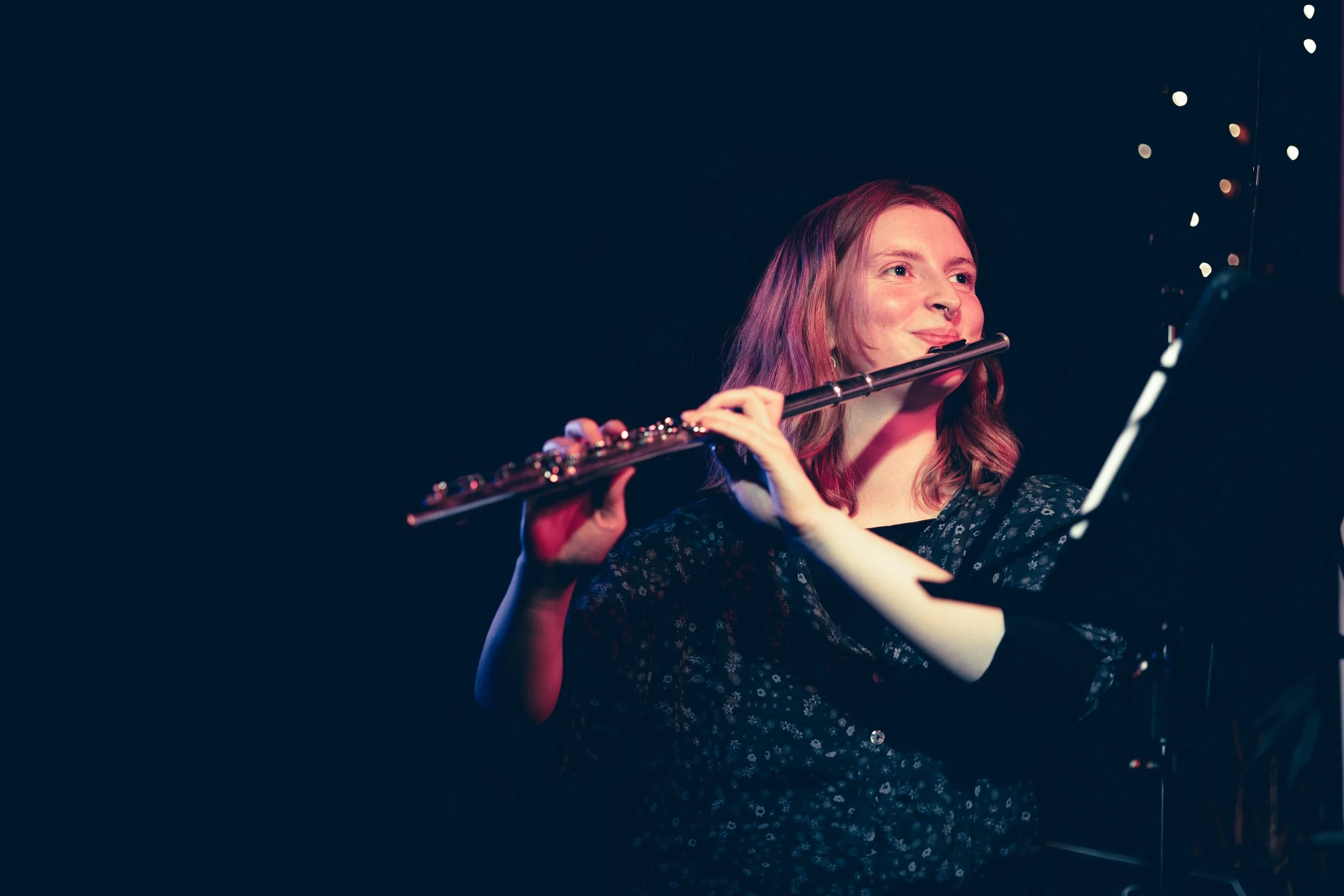
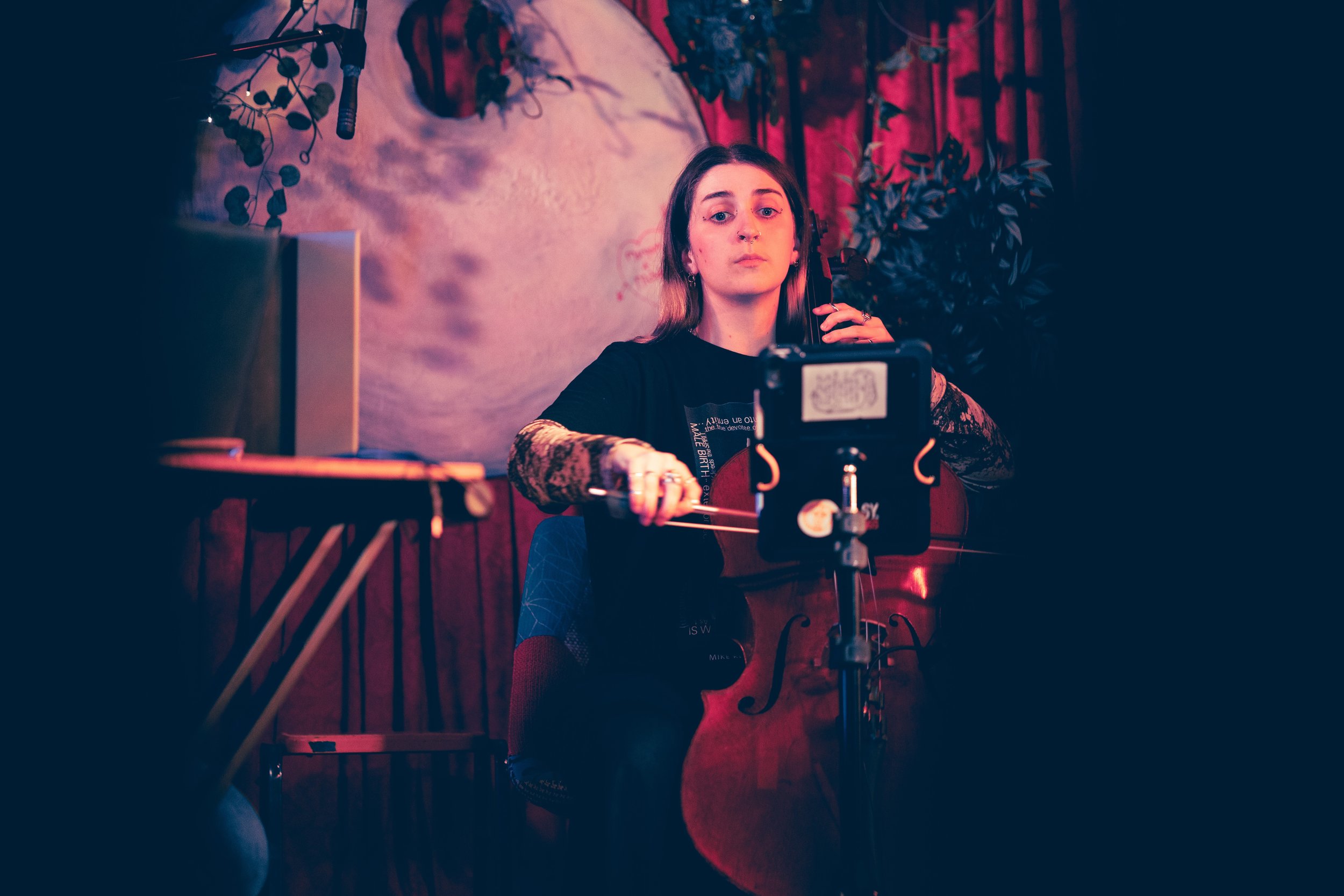
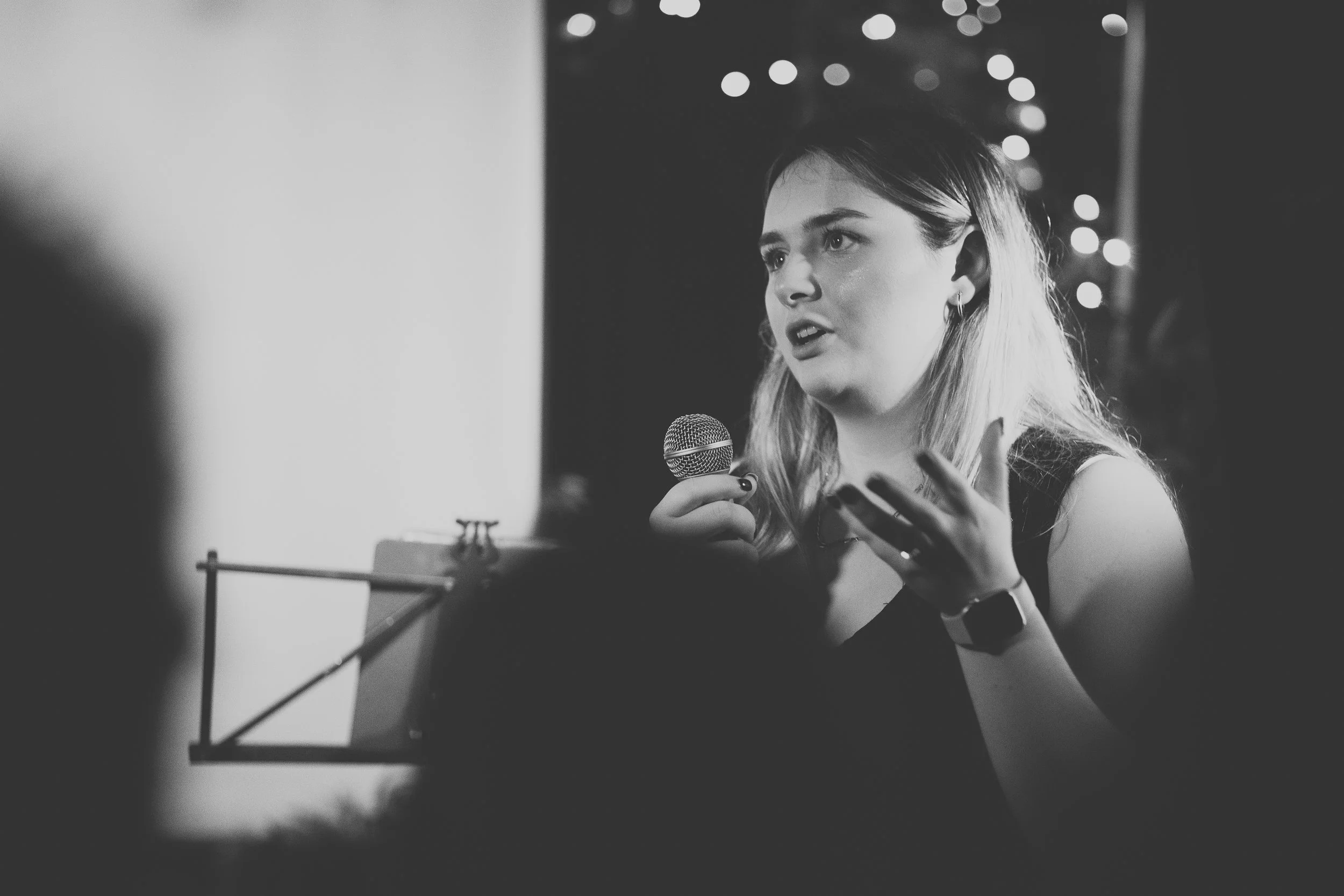
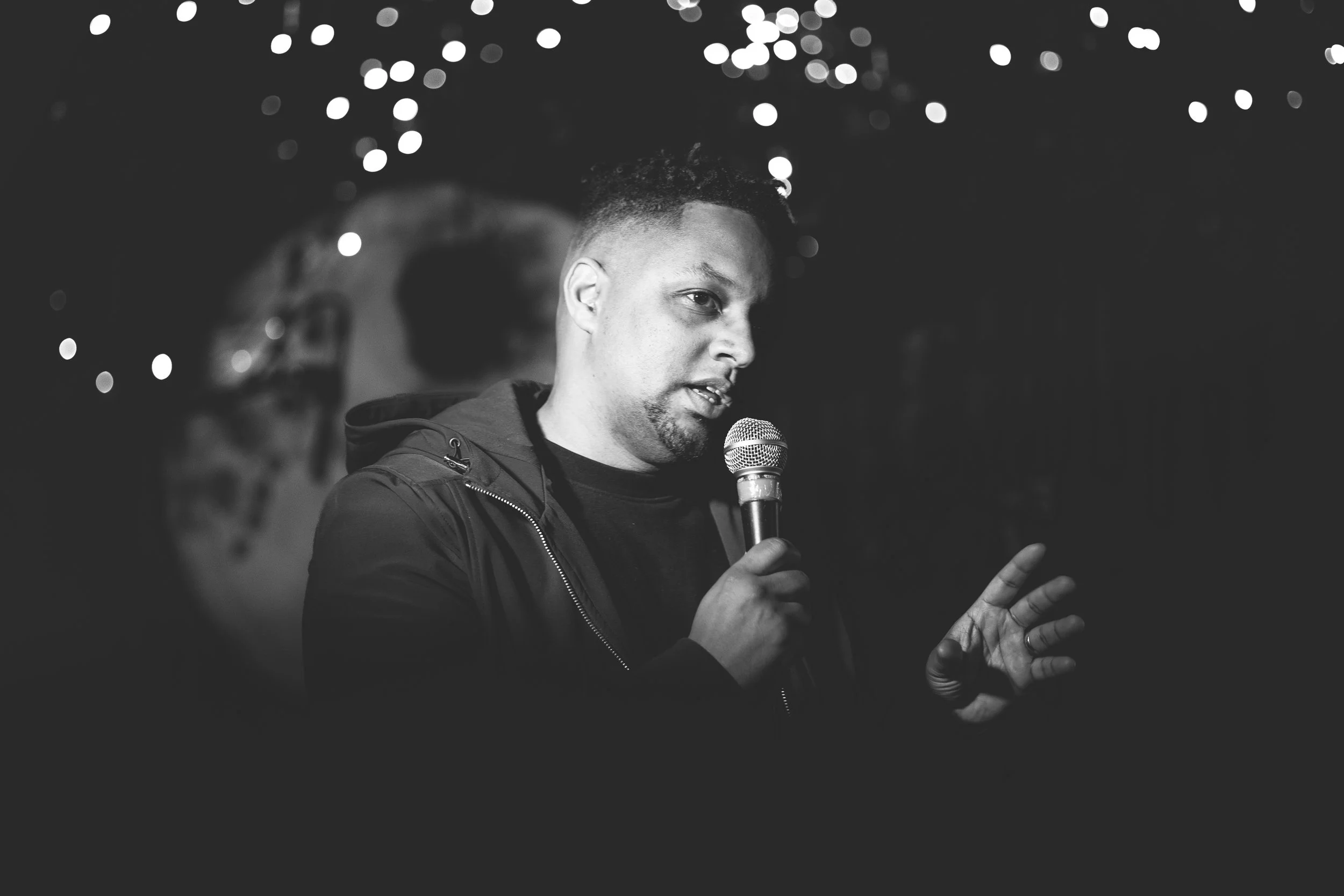
We’re hugely grateful to the players of Standard Issue - Tilly Coulton, Amalia Young, Sara Ramírez and Rebecca Burden - who performed groundbreaking works by composers Aileen Sweeney, Rylan Gleave, Kian Ravaei, Holly Gowland, Blasio Kavuma, and a world premiere by Millicent B James, as well as our producer Jon Paul Mayse of Stomping Ground. We were also able to conduct live interviews with most of the featured composers, covering fascinating topics including tradition, transidiomatic relationships and field recordings - we even managed to make a couple work over Zoom, with Kian joining us live from New York.
It’s hard to single out highlights because I adored every piece: from the uncanny microtonal inflections in Rylan Gleave’s Heartstrings, to the humorous superimpositions in Kian Ravaei’s iPod Variations, to the distortions and theatricality in Holly Gowland’s Skew. Every performance brought something special, and I’m incredibly grateful we were able to celebrate this vibrant contemporary music scene.
PRXLUDES will be going on tour in the autumn, with the second PRX.LIVE London show to follow. Keep your eyes peeled for the future of this exciting, and much needed initiative!